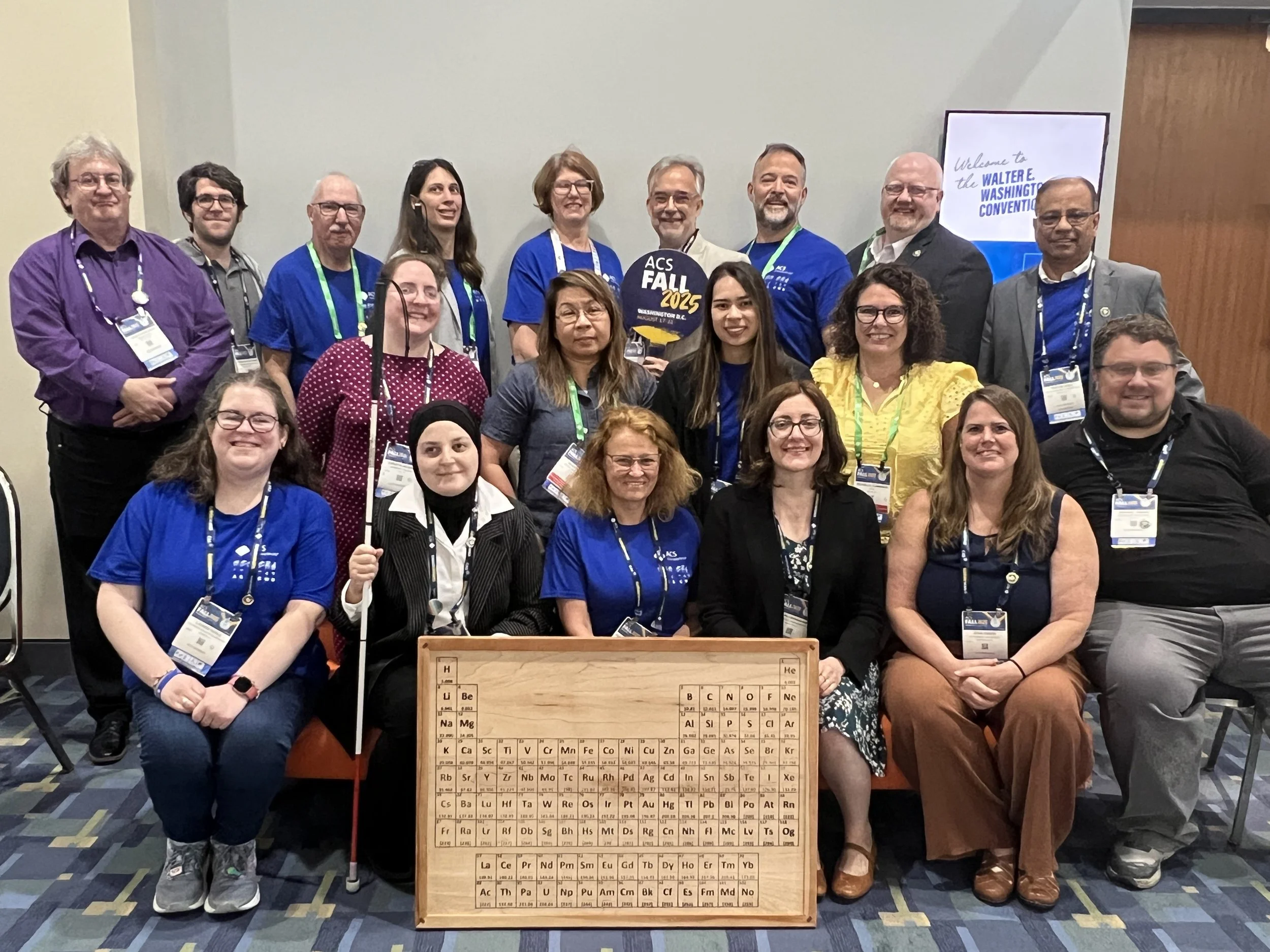
This project is part of the ACS Committee on Chemists with Disabilities (CWD).
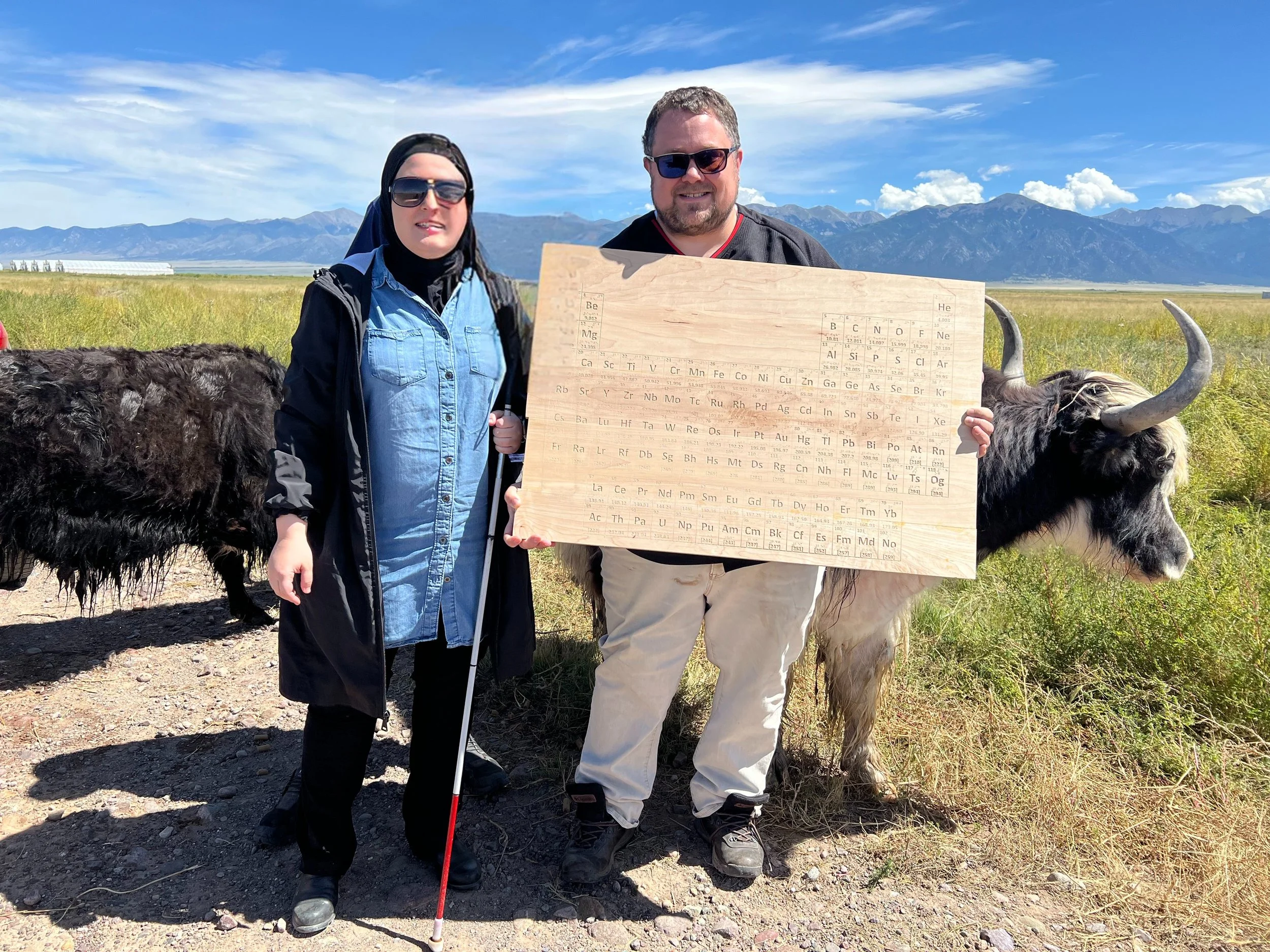
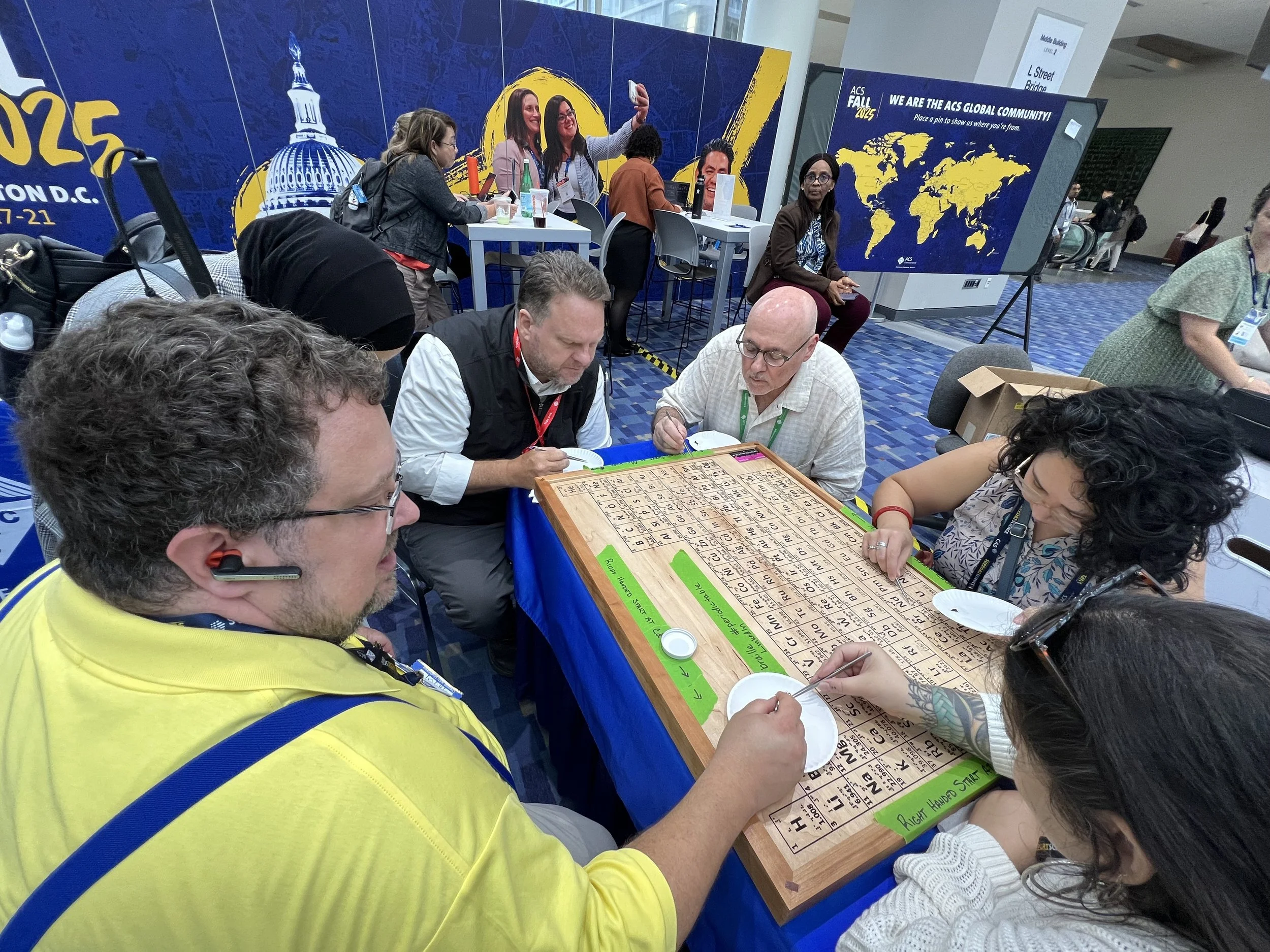
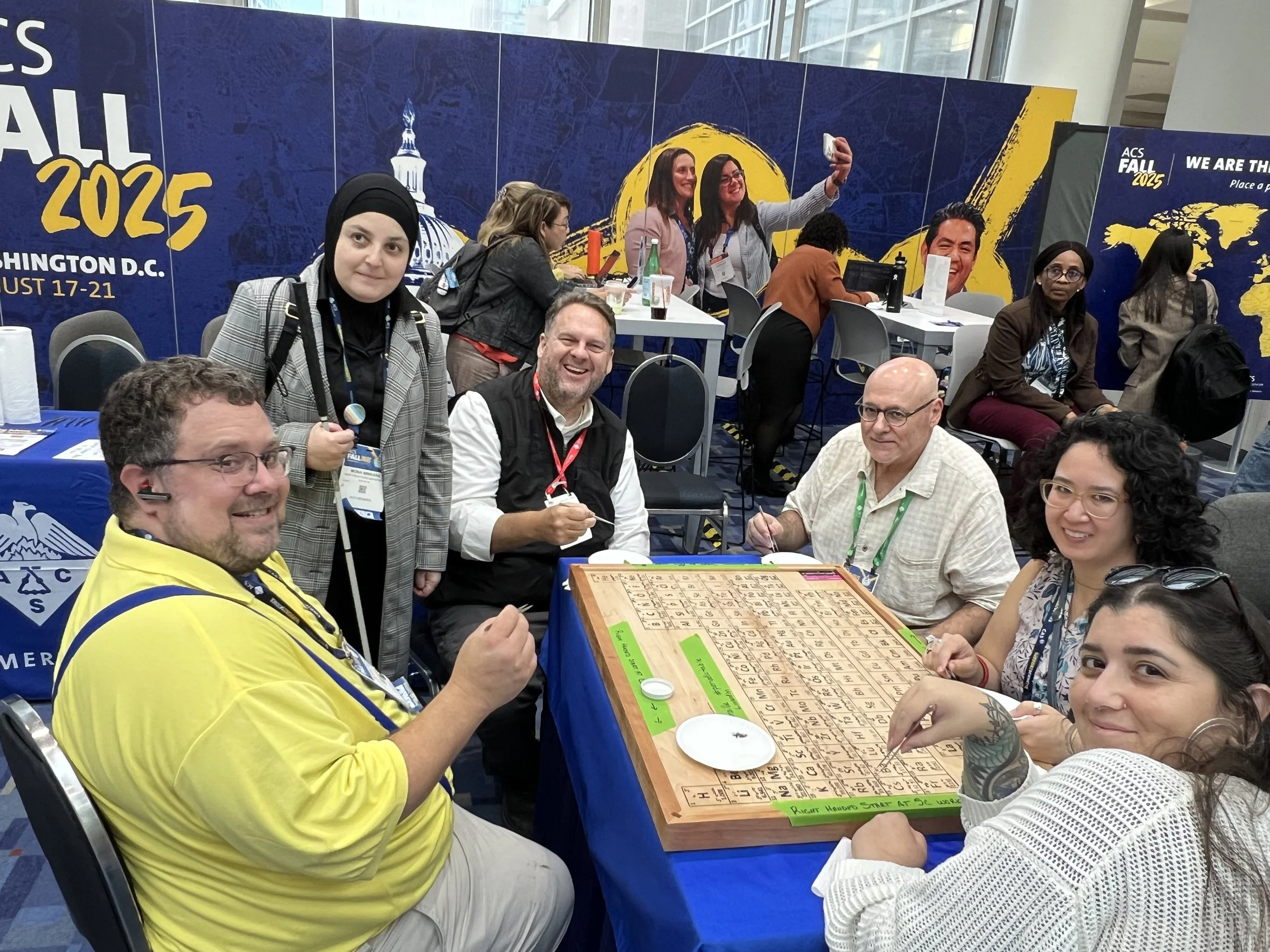
This is a community woodworking project where accessible wooden periodic tables are created so that more people can engage with chemistry through touch. The project brings community members together to make science more accessible.
The Craft of Accessibility

Michael Fricke, Ph.D
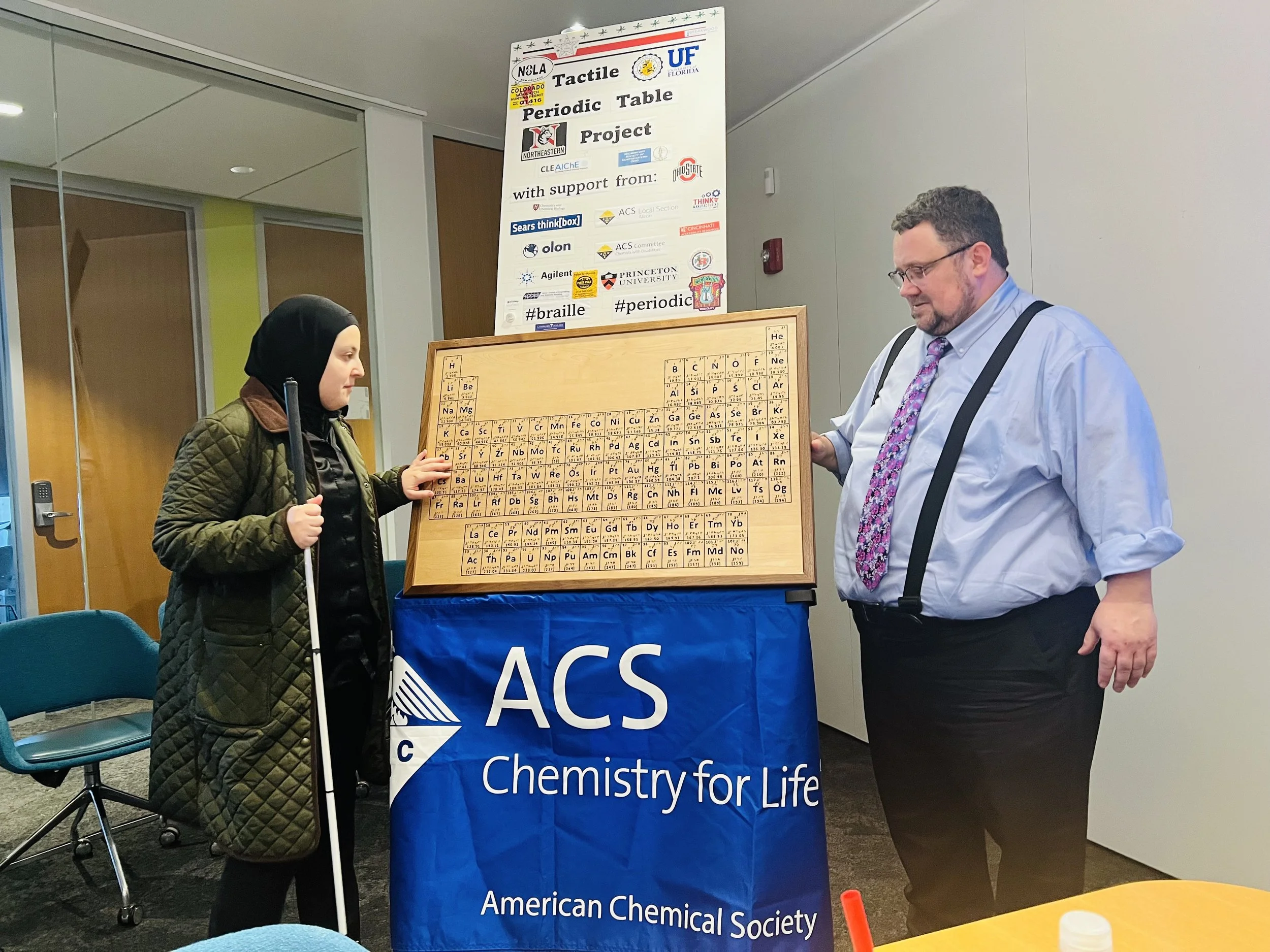
He is the Chief Scientific Officer and partner in an environmental lead laboratory start-up called Cleveland Analytical LLC. Prior to starting this lab, Fricke worked in analytical development in the pharmaceutical industry and was the analytical lead for Molnupiravir, the first approved oral treatment for COVID-19. His graduate and post-doctoral research was devoted to the study of arsenic. This work culminated in the discovery, successful synthesis and then isolation of dimethylthioarsinic acid (DMTA). DMTA has since been identified as the most cytotoxic metabolite of arsenic in humans and may prove critical to understanding the toxic effects associated with low-level chronic arsenic exposure. Dr Fricke is a Councilor for the Akron Section of the American Chemical Society and member of the ACS Committee for Chemists with Disabilities (CWD). Fricke combined his woodworking passion and collaboration with fellow committee member Mona Minkara to create the Tactile Periodic Table Project. This project received the 2025 ACS Presidential Spark Grant and has expanded with a goal of 50 Tactile Periodic Tables in 50 states by the 50th anniversary of CWD in 2030.
Origin Story of the Tactile Periodic Table
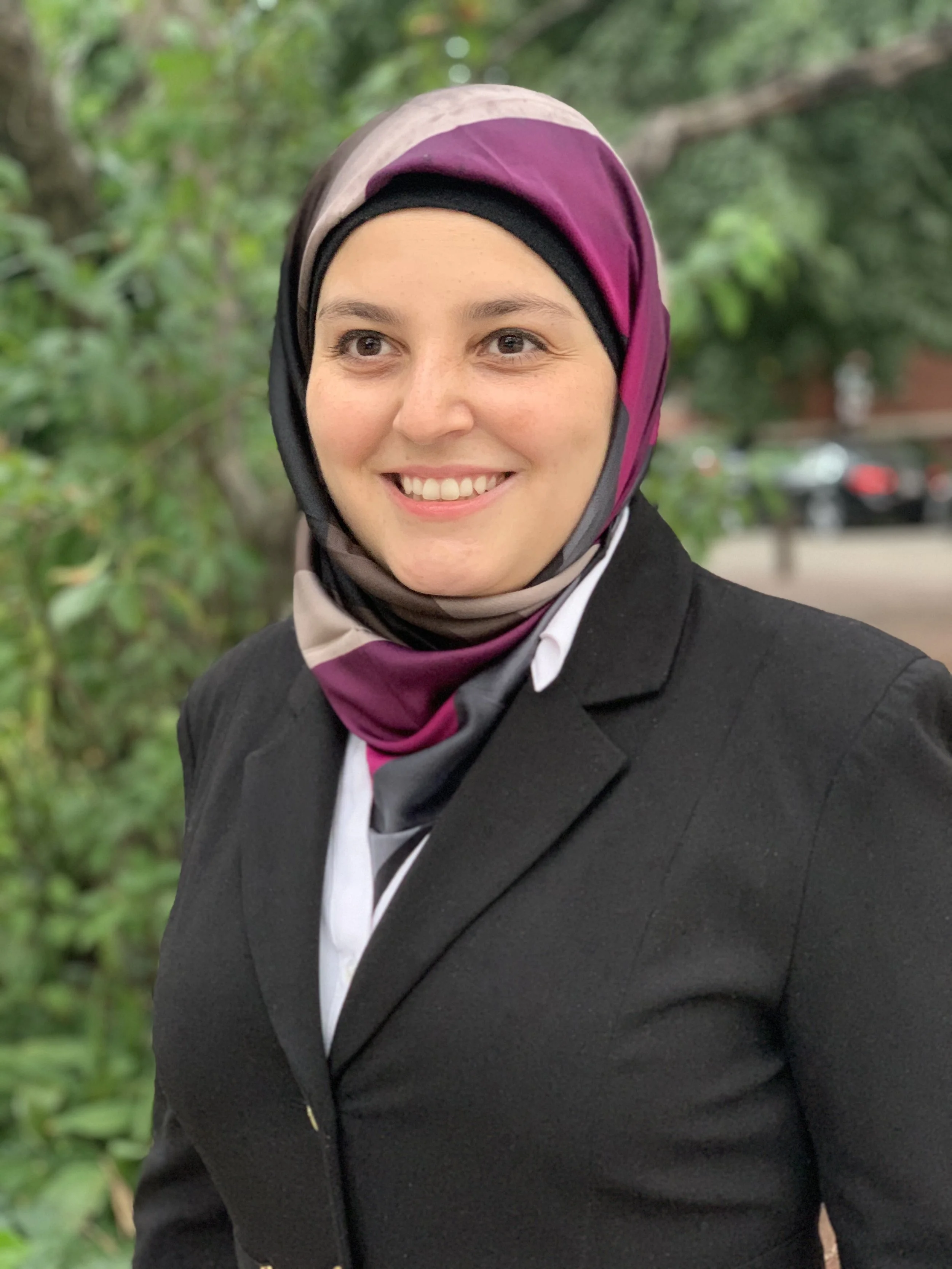
Mona Minkara, Ph.D., is an Assistant Professor of Bioengineering at Northeastern University. A blind scientist driven by curiosity and resilience, she uses computer simulations to study chemical interactions in the lungs, with the goal of advancing drug delivery and treatment. Born to Lebanese immigrant parents and diagnosed with macular degeneration at age seven, Mona defied expectations and pursued her passion for science, earning her Ph.D. in Chemistry from the University of Florida and completing postdoctoral research at the University of Minnesota. Today, through her teaching, research, and advocacy, she is committed to making science more inclusive and accessible for future generations.
How it Began
The idea for the tactile periodic table began during a Chemists with Disabilities Committee meeting. During the discussion, Mona Minkara spoke with Michael Frickey about his passion for woodworking. Out of that exchange came a simple but powerful idea: what if a wooden periodic table could be created that was tactically accessible for blind users?
The First Carving
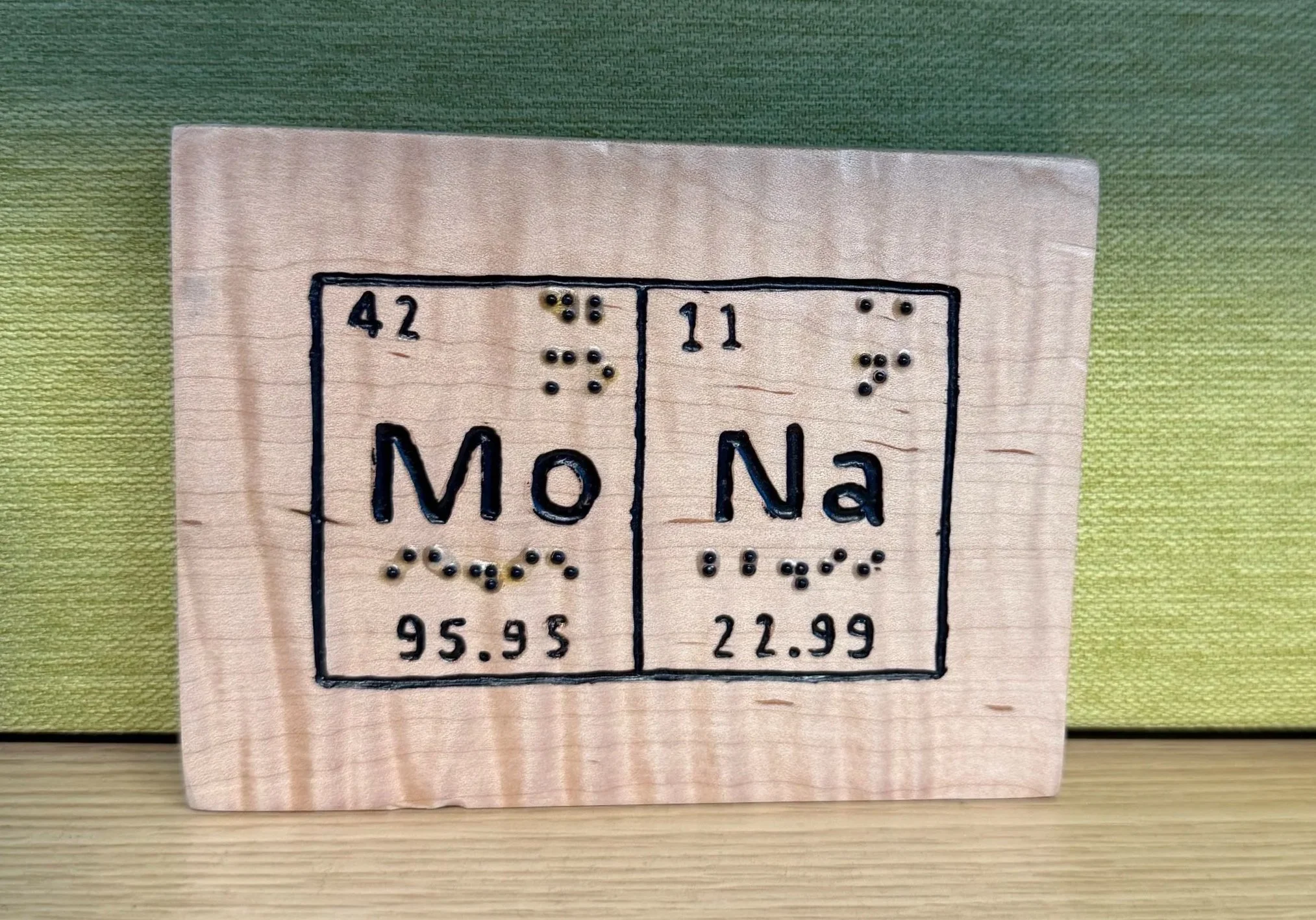
After experimenting with small wooden element blocks, Frickey created a first personal piece for Mona Minkara by carving her name—Mona—using the elements Molybdenum (Mo) and Sodium (Na). The gesture was both thoughtful and symbolic, setting the tone for what the project could become.
Finding a Home
From there, the work continued through several iterations, with each version improving on the last. Eventually, Frickey crafted a complete tactile periodic table—both a work of art and a tool for accessibility.
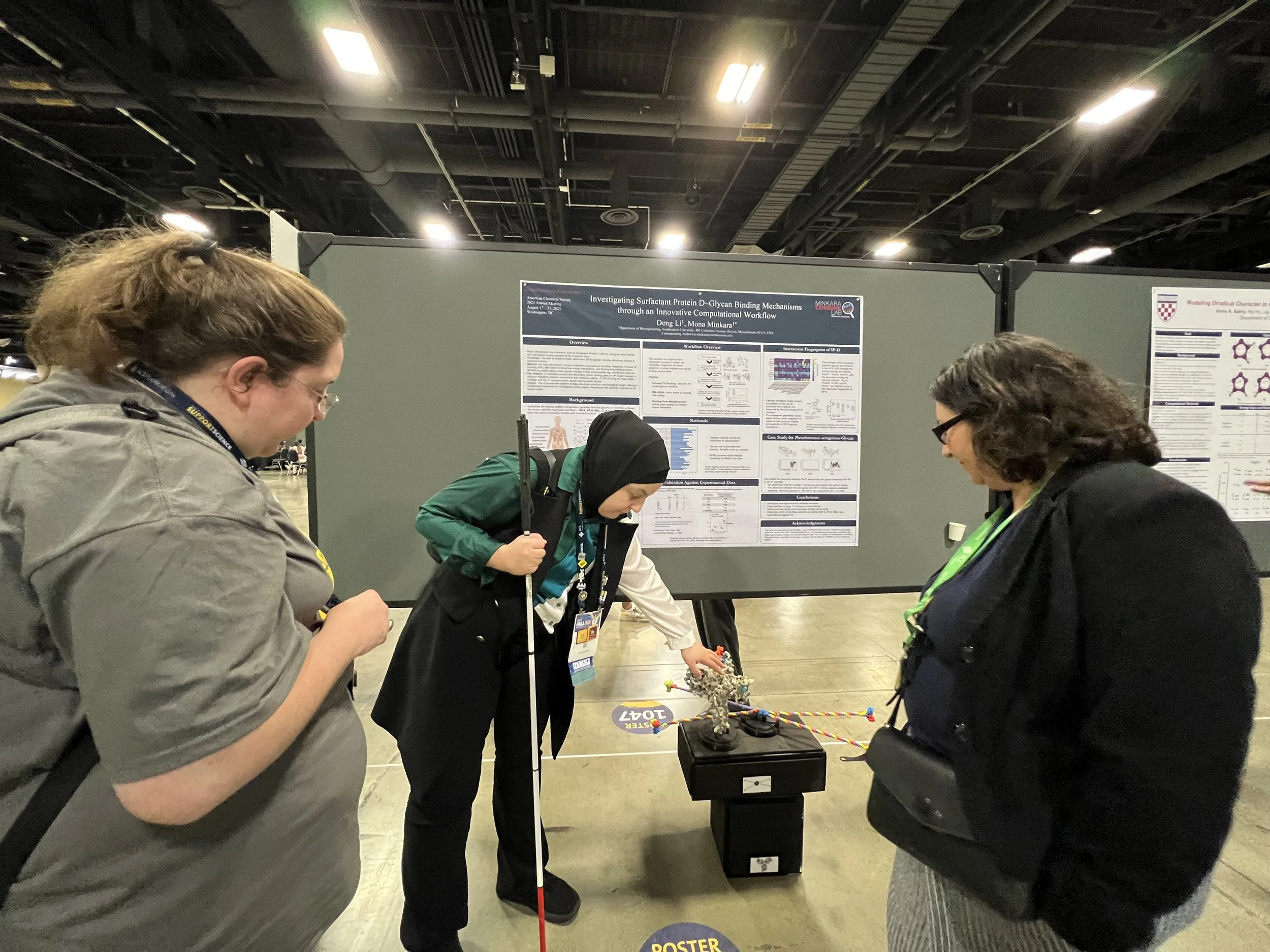
“Tactile science empowers blind individuals to be creators of knowledge, not just consumers.”
“Tactile learning turns barriers in science into bridges.”
The tactile periodic table has since traveled to many places, sparking conversations about inclusion in science. Today, it has found its permanent home at Northeastern University in Boston, Massachusetts.

Gallery
“Where others see symbols, I feel structures — and both paths lead to the same truth
”
“Accessibility is not an accommodation; it is a driver of innovation.”
50-50-50
Initiative
The 50-50-50 initiative is the long-term goal of the tactile periodic table project.
The vision is simple and ambitious:
50 tactile periodic table boards
Placed in all 50 U.S. states
By the 50th anniversary of the ACS Committee on Chemists with Disabilities in 2030
Each tactile board is designed to make chemistry more accessible for blind and low-vision learners. By distributing these boards across the country—to schools, museums, science centers, and community spaces—the project aims to expand access to chemistry education and ensure that students everywhere can experience the periodic table through touch.
The 50-50-50 goal represents more than a number. It reflects a commitment to accessibility, inclusion, and the belief that science should be available to everyone.
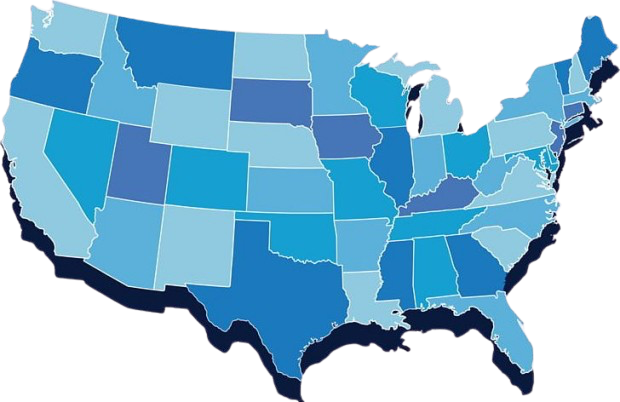
Locations of Impact
The Tactile Periodic Table is beginning its journey in Boston at Northeastern University, where the first prototype has been introduced. As we continue to collaborate with educators, researchers, and institutions, more locations will be added to the map—expanding access and impact across the country.